Cities are bursting at the seams, pulsing with new energy and demand. For developers, this growth presents a golden opportunity, but also a complex puzzle. Success involves smart moves that build for tomorrow, today. It’s a race to create spaces where people truly want to live, work, and connect, blending ambition with responsibility.
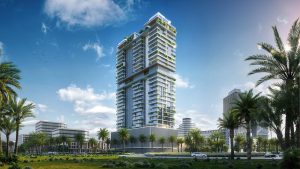
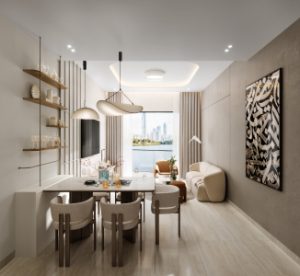
Some projects like Prime Views by Prescott capture this spirit perfectly as a benchmark for integrated urban living.
Focus on vertical villages:
Think up, not only out. Tall buildings must become complete communities. Integrate homes with grocery stores, gyms, and cafes on lower floors. This reduces commute needs and creates a stronger sense of place within a single tower.
Incorporate green design:
Sustainability is now a must, not a luxury. New buildings should include energy efficient systems, water saving features, and durable materials. Adding green roofs, community gardens, and ample tree cover improves air quality and resident well-being. Eco friendly projects have lower operating costs and appeal strongly to today’s buyers and tenants.
Embrace flexible spaces:
The way we use buildings is changing. Create loft-style offices that can adapt from a single firm to multiple startups. Design apartment layouts with movable walls. Flexibility future-proofs your investment against shifting market needs.
Integrate green elements:
Concrete expanses are out. Lush landscaping is in. Incorporate rooftop gardens, vertical plant walls, and tree-lined streets. These features improve air quality, manage rainwater, and provide visual relief, making developments more attractive and sustainable.
Consider transit access:
A building is only as good as its links to the city. Secure locations near existing rail, bus lines, or future transit corridors. Easy access to public transport is a powerful draw for residents and a practical necessity in dense urban areas.
Build with smart tech:
Incorporate technology that simplifies life. Think beyond basic apps. Consider automated energy systems, efficient waste management, and reliable high-speed digital infrastructure. These smart features improve daily living and operational efficiency.
Developing in a growing city is a challenge. The winning strategies focus on density, sustainability, and human centered design. By building integrated, efficient, and flexible spaces, developers do more than create structures. They help shape the future of the city itself, fostering communities where people can thrive amid constant change.